
How to Promote Your Event: Clear, Practical Steps
Learn practical, timeless steps to promote your event. From basics to options, this explainer covers planning, messaging, and outreach for organizers.

Promoting an event is about clarity, reach, and timely effort. This explainer covers practical steps to get your message out, from defining the audience to choosing channels that work. You’ll find concrete actions you can take now to raise attendance and press interest without overhauling your plans.
Start with a simple, accurate description of the event and its value. Then map the audience you want to reach and pick two or three reliable channels. Finally, test your message, adjust for feedback, and keep momentum with steady updates.
The goal is to create a straightforward plan readers can replicate. By focusing on common-sense tactics and avoiding hype, you’ll improve visibility without guessing at results.
- Define who the event helps and craft a clear value proposition.
- Choose two reliable channels and keep a steady message.
- Create short, actionable messages and test quickly to learn what works.
- Avoid spreading too thin across channels and ensure a simple sign-up path.
Foundations of promotion
Define your audience clearly
Begin with a precise audience profile: who benefits most from attending, what their interests are, and where they spend time. A clear profile helps tailor your message and channels. Without it, outreach feels generic and less effective. You can also explore practical tips to promote your event in Bristol by following these steps.
Write a one-sentence value proposition that answers why someone should attend. Use plain language and a concrete benefit, not vague adjectives. This core message should guide all promotional content.
Test the message with a small group and adjust based on feedback. Minor wording shifts can significantly improve engagement.
- Identify core attendee segments
- Describe benefits in one line
- Pilot your message with a sample audience
Choose two strong channels
Choose two channels that consistently reach your target — for many events, local press and social media perform well when aligned with the audience. Avoid trying every platform at once, which dilutes effort and copy.
Draft a simple, repeatable cadence: one primary post, one follow-up, and one reminder. Use consistent branding so the event is recognizable across channels.
Track basic outcomes: clicks, RSVPs, and shares. If a channel underperforms after a short test, reallocate effort to the other option.
- Select channels that reach your audience
- Maintain consistent branding
- Monitor early results
How to craft the message
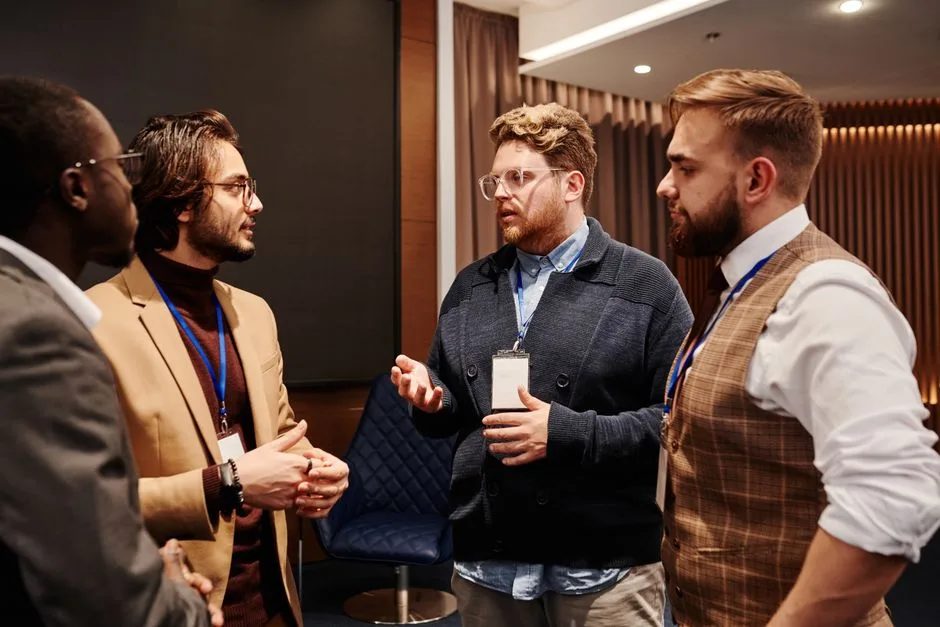
Write a clear event summary
A concise summary should state what, when, where, and why. Include a tangible benefit and a simple call to action. This helps readers decide quickly if they should engage. For readers seeking timely updates, check what the latest news Bristol has to offer regarding local events.
Use plain language and short sentences. Avoid jargon and hype, which can turn readers away. Replace vague terms with concrete details like start times and accessibility notes.
Format the summary so it reads in one breath on social feeds and in print. Clarity reduces confusion and friction in the signup step.
Create shareable micro-messages
Develop 3-4 short lines tailored for different channels. Each line should capture a benefit and prompt action. Keep to 10-12 words for social posts.
Pair each message with a relevant image or graphic. Visuals improve recall and engagement. Maintain consistent tone across all posts.
Schedule posts to appear before, during, and after the event window. Regular reminders help sustain interest without overloading readers.
- Three tailored lines per channel
- Use a consistent visual
- Plan a simple posting cadence
Ways to reach audiences
Leverage local media and partners
Send a concise press note to local outlets with the event’s relevance and a human angle. Local coverage can extend reach beyond your existing audience. Be available for follow-up questions if reporters request more details. If you operate locally, consider how to list your business in Bristol as part of regional event ecosystems.
Coordinate with partner organizations for cross-promotion. Mutual promotion increases credibility and broadens visibility. Shared calendars or newsletters are effective tools.
Maintain a calm, factual tone in all outreach. Journalists prefer clear information and verifiable details to sensational claims.
- Send targeted press notes
- Partner for mutual promotion
- Respond promptly to inquiries
| Method | Pros | Cons |
|---|---|---|
| Local media outreach | Broadens reach; credible tone | Requires timely responses and follow-ups |
| Partner promotions | Trust through association; wider audience | Dependent on partner schedules |
| Online ads basics | Targeted reach; measurable | Requires budget and optimization |
Tap community and online groups
Post in community calendars, forums, and relevant interest groups. Tailor the message to the group’s focus while preserving the event’s core details. Local readers often rely on these channels for timely event information.
Use event listings on city sites to increase visibility. Ensure listings have complete details and an RSVP link if applicable. Regular updates help keep the event on readers’ radar.
Monitor feedback and adjust copy or timing if responses lag. Simple changes can improve visibility and interest.
- Post in community calendars
- Use accurate event listings
- Adjust timing based on feedback
Without basic metrics, you won’t know which approach works or where to adjust.
Pitfalls to avoid

Overloading with channels
Spreading effort too thin across many platforms weakens each message. Focus on a few channels where your audience is active. Consistency matters more than breadth. If the event involves trading or classifieds, know how to buy and sell in Bristol to engage a local audience.
Neglecting timing can hurt turnout. Schedule reminders at key intervals before the event. A single blast rarely builds sustained momentum.
Skip tracking at your own risk. Without basic metrics, you won’t know which approach works or where to adjust.
- Avoid multi-platform dilution
- Plan timely reminders
- Track basic metrics
Poor sign-up flow
A complicated RSVP process deters potential attendees. Use a simple form and a clear CTA. A rough path to registration increases drop-off.
Missing essential details in listings creates confusion. Include date, time, venue, accessibility, and contact information. Readers should not have to search for basics.
Inconsistent branding reduces trust. Use the same logo, colors, and tone everywhere, from posts to the event page.
- Simplify the RSVP form
- Include essential details
- Maintain consistent branding
Advanced tactics
Elevating multi-channel campaigns
Advanced promotion relies on synchronized channels that reinforce each other. Start with a core message and tailor it for email, social, and local press, ensuring visual consistency. Use short, actionable prompts that translate well across formats and audiences. publish a death notice in Bristol
- Use a single core message across channels
- Schedule staggered releases for ongoing visibility
- Review results daily and reallocate resources
When you test messages, watch for cross-channel lift rather than isolated responses. Adjust timing to align with audience behavior and news cycles, and reuse high-performing assets with minor tweaks.
Be prepared to reallocate resources quickly if a tactic underperforms. A small shift in timing or creative can change the momentum of your event promotion, especially in shorter notice periods.
- Coordinate message variations across channels
- Track channel-specific responses
- Reuse assets with minor edits
- Adjust timing based on performance
Audience research

Understanding local interests
Audience insights begin with listening. Survey attendees, volunteers, and local residents to identify what motivates them to attend events. Focus questions on timing, accessibility, and value to the community.
- ☐ Identify top attendee motivations
- ☐ Note barriers to entry
- ☐ Track seasonal trends
Translate findings into practical adjustments: optimize event times, reduce barriers to entry, and emphasize elements that matter most to local audiences.
Keep a pulse on seasonal patterns and competing community events to avoid conflicts that dilute attendance and press coverage.
- Conduct quick local surveys
- Map interests to event features
- Monitor local event calendars
- Adjust messaging to audience needs
Measurement and iteration
Tracking key metrics
Define clear metrics before the campaign starts, such as ticket demand, RSVP rates, and social engagement. Use simple dashboards to monitor these numbers in real time. Regular checks reduce last-minute surprises and guide adjustments.
- Set clear goals
- Monitor in real time
- Act on findings
Analyze what drives conversions, not just clicks. Look at asset performance, audience segments, and optimal posting times to refine the mix.
Iterate quickly by testing one change at a time. Small, controlled experiments yield actionable insights without overhauling the entire plan.
- Set measurable goals
- Use a simple dashboard
- Compare asset performance
- Test one variable at a time
Ethics and accessibility
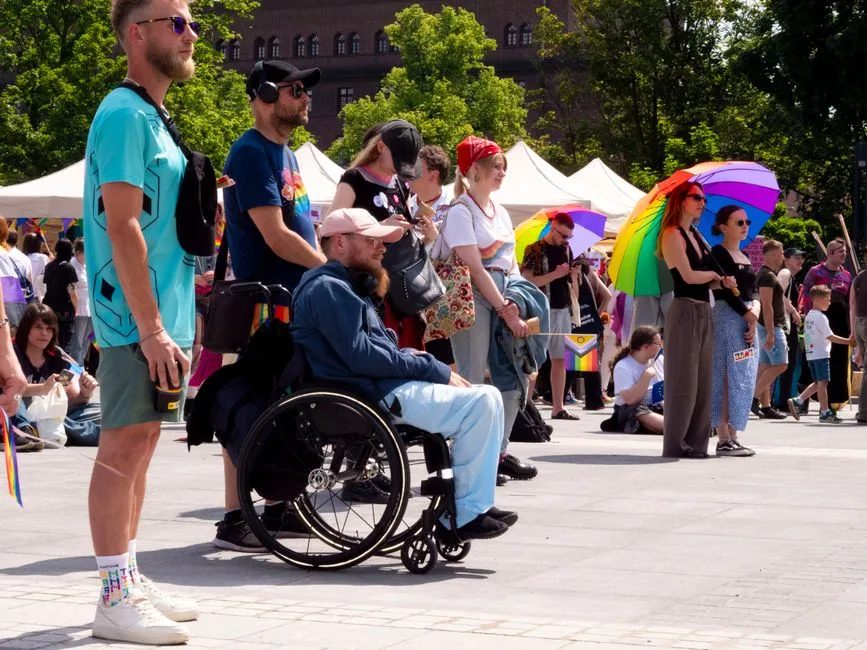
Inclusive and fair promotion
Promotional materials should be accessible to a broad audience. Use clear language, high-contrast visuals, and captions for videos. Ensure that information on dates, locations, and ticketing is easy to find and understand.
- Accessible content
- Clear ticketing details
- Privacy respected
Respect privacy when gathering data for promotion. Avoid intrusive tactics and provide opt-outs for communications. Transparency builds trust with potential attendees and the local press.
Consider diverse needs in venue promotions, such as quiet spaces, accessibility services, and language accessibility for materials and staff.
- Use accessible design
- Provide clear contact options
- Offer language accommodations
- Respect privacy and consent
Frequently asked questions
How soon should I start promoting an event?Begin promotion as soon as you have a confirmed date and venue, then build momentum with a core message. Early outreach helps establish local interest, while follow-up reminders keep the event visible as it approaches. Track response and be ready to adjust timing or channels if interest lags.
What if ticket sales are slow midway to the event?Reassess the audience messaging and adjust the offer or incentives. Consider highlighting last-minute deals, volunteering opportunities, or exclusive updates to create urgency. Reallocate spent resources to channels showing the strongest engagement.
How can small organizations compete with larger events?Leverage local networks and community partners to amplify reach. Focus on niche angles, such as accessibility or neighborhood impact, and use authentic storytelling from attendees or organizers. Prioritize quality over breadth in outreach materials.
Is it important to involve local media?Yes. Prepare a concise press brief with essential details and high-quality visuals. Reach trade and local outlets with tailored pitches that connect the event to community interests and timely topics.
Final practical steps
Promoters should align their message with the audience’s interests and adjust quickly to feedback. Start with a strong core idea, then build a timetable that staggers updates across channels to maintain visibility.
The next step is to set up a lightweight measurement plan that tracks key signals like engagements and RSVP changes. Use those signals to refine targeting, improve creative assets, and address accessibility concerns as you promote.
For a deeper understanding of this topic, Smart personal finance: use local news offers valuable insights worth exploring.
If you enjoyed this article, we recommend checking out Takiset ile Stil Yolculuğunuzda Bilinçli Adımlar: for further reading.
If you enjoyed this article, we recommend checking out Temizlik Robotları için güvenilir Bristol odaklı for further reading.
Add Cairo City News as a preferred source on Google


