
How to submit an obituary in the USA: a practical guide
A clear, checked checklist for readers on submitting obituaries in the USA, covering process steps, options, and common pitfalls for responsible reporting.

This article explains how to submit an obituary in the USA, with a practical, step-by-step approach for readers who need to place notices responsibly. It focuses on accuracy, timelines, and choosing the right outlet to reach families and communities. Readers will leave with a concrete checklist they can follow today.
The guide lays out the core requirements: what information to prepare, how to choose a publication, and what to expect in terms of timing and edits. It emphasizes clear, factual writing that serves readers and avoids sensationalism. By the end, you’ll know where to start and how to follow up if changes are needed.
The goal is to help readers navigate a sensitive process without confusion, ensuring notices are respectful and informative. The checklist format makes it easy to verify each required element before submission. It also flags common errors that slow publication or reduce accuracy.
- Plan carefully: gather names, dates, and service details. Choose a suitable outlet and respect deadlines. Draft a concise, factual notice and obtain consent for any photos.
- Edit for accuracy and tone; verify spellings against records. Consider multiple venues only if it serves the family and community.
- Budget time for approvals and potential corrections; understand that some outlets charge for extended notices or photos.
- Follow ethical guidelines: privacy, consent, and verifiable facts, then monitor publication and address any needed corrections promptly.
Basics of obituary submissions
Purpose and scope
Start by defining what counts as an obituary for your chosen outlet. It typically includes a brief biographical summary, surviving relatives, and service details. Gather official documents to confirm dates and spellings, and decide whether to include a photograph. This initial planning prevents later edits that can change tone or accuracy. submit an obituary in the USA
Keep track of where you submit and when you expect to hear back, so families can plan other arrangements. Most notices are edited for brevity and clarity to fit internal guidelines.
- Collect full name, birth and death dates
- List surviving relatives and services
- Choose a preferred outlet and note deadlines
- Draft a concise, factual text
- Confirm spellings and places
Where to publish
Decide between a community paper, a regional outlet, or a funeral-home page. Each has different audience reach, deadlines, and formatting rules. Check whether the publication accepts editorials, photos, or memorial donations. This choice shapes how widely the notice will be seen and how long it stays online.
Publishing in more than one venue can extend reach, but requires double preparation and clear cross-references. Respect family preferences and consider costs and timing. Always confirm that edits made by the outlet preserve the factual record and tone.
Keep an eye on deadlines: some outlets publish only on specific days or require early submissions to appear in the next edition.
How to structure the text
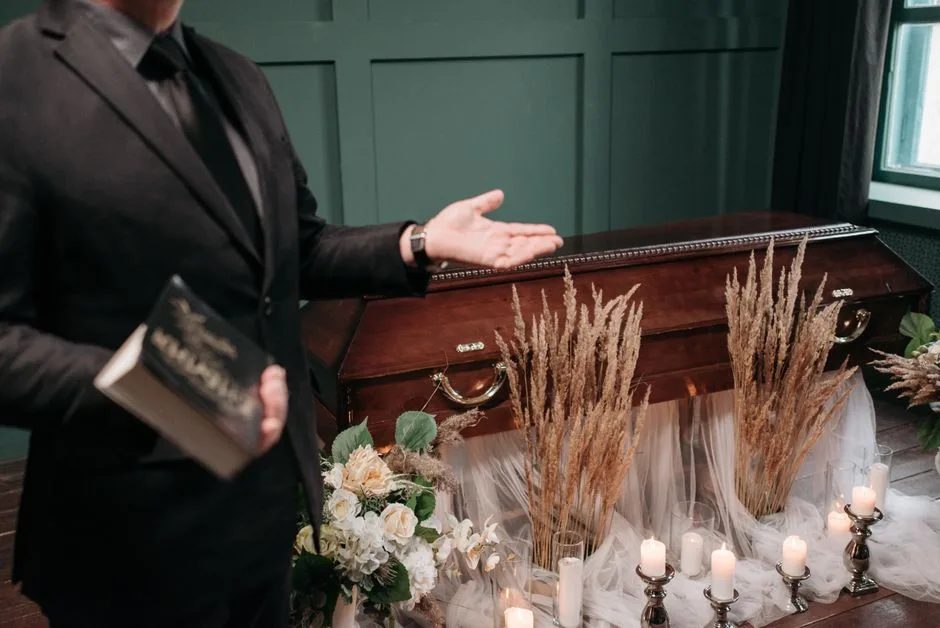
Essential elements
Lead with the deceased's full name and age to set the factual baseline. Include dates, location, and a neutral summary of life highlights. List survivors and service details in a separate line to keep the text readable. Use formal language and avoid humor or speculation. USA news
The body should be concise: background, work or community roles, and notable affiliations or achievements. Avoid long anecdotes unless they are essential to the record and verifiable. End with a closing line that echoes the tone of the notice.
Proofread for accuracy: verify spelling of names, dates, and places against official records or family-provided material.
- Full name and age
- Dates and locations
- Survivors and service info
- Concise life summary
- Verifiable facts only
Copyright and consent
Obituaries require consent from the family; respect privacy boundaries if relatives wish to omit certain details. Some outlets request confirmation of the text before publication. If the person held a public role, ensure any statements about public life stay factual and non-sensational.
Avoid publishing third-party opinions or marketing language. Use neutral tone and attribution when necessary. If a photo is included, secure permission from the family and ensure it aligns with the outlet’s guidelines.
Keep copies of all communications and draft versions in case corrections are needed after publication.
- Family consent required
- Consent for photos
- Neutral tone mandatory
- Maintain version history
Timing, edits, and payment
Deadlines and deadlines handling
Most notices rely on standard deadlines tied to print or online schedules. Missing a deadline can delay posting by a full cycle. Plan submissions a day or two before the desired publication date to account for edits and approvals. add an event to the USA events calendar
If you need a rush posting, contact the outlet directly to understand options and potential costs. Some papers offer expedit ed service for urgent notices.
Clarify whether changes after publication require a correction notice and whether there is a publishing fee for edits.
- Know the outlet’s deadline
- Account for edits
- Confirm rush options
- Understand post-publication corrections
| Outlet type | Format flexibility | Cost considerations |
|---|---|---|
| Community paper | Short text focus | Lower base fees |
| Regional newspaper | Longer notices possible | Moderate fees with more reach |
| Funeral home page | Memorial emphasis | Policy-driven pricing |
Costs and limitations
Fees vary by outlet and format, from basic text notices to enhanced memorials with photos. If money is tight, check whether the funeral home provides a stipend or the family can place a free notice within a community bulletin. Beware of hidden costs for extra lines or color photos.
Ask for a written estimate before submitting and compare a couple of outlets to gauge value. Consider online memorial pages as an alternative if print space is limited.
Always confirm what is included in the base price to avoid surprise charges after publication.
- Compare fee structures
- Ask for written estimates
- Check for photo charges
- Consider online memorials
Use neutral language and avoid any judgments or praise beyond the factual record.
Pitfalls and ethics

Common mistakes
Oversharing personal details can invade privacy and distract from the core record. Inaccurate dates or names undermine trust and require corrections. Failing to obtain consent for photos or third-party quotes can lead to disputes. local business directory in the USA
Instead, stick to verifiable facts and approved details. Use neutral language and avoid any judgments or praise beyond the factual record. If uncertainty arises, seek confirmation from the family or the outlet’s editor.
Regularly review submissions against editorial guidelines to prevent errors from slipping through.
- Avoid over-sharing
- Verify all facts
- Obtain required permissions
- Follow editorial guidelines
Privacy and public interest
Public interest may justify broader notices, but families still deserve control over what is shared. When a death involves sensitive circumstances, balance public information with respect and privacy. Outlets often have policies for sensitive cases that protect families.
Avoid sensational language and unverified claims, even if a story is newsworthy. If a death touches a community issue, frame it with context and care.
Always document the source of information and avoid uncorroborated rumors in any obituary draft.
- Respect privacy
- Balance public interest
- Follow outlet policies
- Document information sources
Finding the right outlet
Choosing a publication
Start by listing outlets that publish death notices in the area where the deceased lived or where family members reside. Compare rules for inclusion, word limits, and whether notices appear online, in print, or both. This helps you choose a venue that fits the family’s wishes and the public visibility you want. sell second-hand items in the USA
- Make a short list of 3-4 outlets you’ll consider
- Note each outlet’s submission method and deadline
- Record any required files or formats for text and images
- Mark which outlets offer online posting vs print-only
Look for outlets with clear submission guidelines and reasonable deadlines. Note any fees and what they cover, such as photo placement or extended notice time. If a publication accepts free submissions, verify what features still apply.
Confirm image and obituary text requirements up front to avoid later edits. Some outlets require standard formats, while others accept narrative notices. Gather all essential facts: full name, age, date of death, location, and survivor details, but respect sensitivities around cancer or other illnesses.
- Compare whether the outlet prioritizes a local audience or a wider readership
- Check for online visibility and archival access
- Pay attention to any death notice timelines or deadlines
Digital obits and timelines
Publish timing
Obituaries often have strict cutoffs tied to the publication’s daily or weekly schedule. Plan ahead by noting the desired date of appearance and working backward to set a realistic draft deadline. This reduces last-minute edits and ensures space in the chosen outlet.
Digital notices can appear within hours for some outlets, while others publish only on certain days. If you need a specific date, confirm availability and potential rush fees before you start drafting. Early submission also allows families to share the notice widely.
Include all essential facts in the initial draft to minimize revisions. Clarify any questions about relatives, service details, or memorial funds to avoid delays during editing.
- Set a hard deadline for draft submission
- Verify whether the outlet offers a same-day posting option
- Ask about the process for edits after submission
- Confirm any preferred time slots for notice appearance
International or multi-outlet notices
Coordinating multiple outlets
If the family wants notices in several regions or countries, coordinate the text to avoid inconsistencies. Use a master obituary as the base and tailor the contact details for each outlet. This keeps the core facts identical while respecting local formats.
Some outlets require adjustments to tone or length. Prepare shorter versions for smaller publications and longer versions for major outlets. Maintain a single source of truth to reduce confusion and errors.
Communicate about translations or accessibility needs in advance. If a notice will appear in another language, arrange delivery of a translated version or request bilingual publication where available.
- Prepare a primary obituary and shorter local variants
- Share a single contact point for edits and approvals
- Set expectations about translations and accessibility
After publication and corrections

Handling errors
Review published notices promptly and keep a record of the publication date, outlet, and any identifiers. If an error appears, contact the outlet quickly with a concrete correction and any supporting material.
- Monitor the publication date
- Submit corrections with exact wording
- Confirm whether a new version will appear online and in print
- Save updated copies for family records
Most outlets can publish a correction or updated version, but timing matters. Some changes require a reprint or an online update; understanding the process helps minimize confusion for readers and family members.
If a correction involves sensitive details, request a note explaining the change to accompany the notice. This clarifies the record for readers and preserves the integrity of the tribute.
- Keep a copy of the original text
- Submit corrections with precise language
- Request an updated version if available
- Track the status of the correction
Frequently asked questions
How soon should I submit an obituary after a deathSubmitting soon helps ensure the notice appears on or near the date of service, but outlets vary in their deadlines. Start with a draft that includes essential facts and a clear contact point for edits. If you need a specific date, confirm it before drafting to avoid last-minute rushes.
Can a family member submit without a funeral homeYes. A family member can submit directly to most outlets, typically by email or an online form. Include all key details in a clean draft and follow the outlet’s formatting rules. Maintain a backup contact in case the submission needs faster approval.
What should I include in the obituary textInclude full name, age, date and place of death, and surviving relatives. Add service details and how people can honor the deceased, such as memorial funds. Avoid sensitive medical history unless it is standard practice for the outlet.
Are there fees for online obitsFees vary by outlet and package. Some publications offer free notices for simple text, while others charge for photos or longer word counts. Always confirm costs before submitting and ask about any included features.
Conclusion
The obituary submission process blends precision with compassion. By choosing the right outlets, coordinating timelines, and preparing clear drafts, families can ensure a respectful public tribute that reaches the intended audience.
Next, confirm each outlet’s deadlines and keep a detailed record of submissions and edits. This helps manage changes without disrupting the tribute and makes future notices smoother for relatives.
For a deeper understanding of this topic, USA business listings: practical compare for offers valuable insights worth exploring.
For more insights on this topic, you might find Crypto News Mag Headlines: A practical particularly informative.
If you enjoyed this article, we recommend checking out Dizihaberleri için net rehber: ölüm ilanı for further reading.
Add Cairo City News as a preferred source on Google


