
Practical guide to USA classified ads for readers
A clear, actionable guide on using USA classified ads, with practical steps, common pitfalls and tips for news readers.

If you’re a Cairo City News reader, you want reliable, practical guidance on using USA classified ads. This article explains what to expect, how to spot trustworthy listings, and how to verify details before acting. You’ll also learn what red flags to watch for and how to compare options quickly and safely.
In plain terms, classified ads can be useful for finding jobs, housing, and services, but they also carry risks. We’ll show concrete steps to assess legitimacy, compare offers, and protect your information. This guide uses real-world examples and plain language to help you decide what to click, call, or ignore.
Finally, we’ll outline a simple workflow: identify the ad, check the posting history, verify contact details, and document communications. The goal is to empower readers to use classifieds without falling for common scams or overpaying.
- Classified ads in the USA can be useful when used carefully. Verify credibility, ask for written terms, and document exchanges. Don’t rush to pay or share sensitive data.
- Compare listings on credibility and terms rather than price alone. Use a simple scorecard and keep notes for reference.
- Watch for common scams: pressure tactics, vague terms, and upfront payments without receipts. Pause, verify, and use safe contact methods.
- Keep safety as a priority: meet in public places, use trackable payments, and report suspicious ads to protect yourself and others.
Basics of reading USA ads
Understand the listing format
Most listings follow a simple pattern: what’s offered, where, price or value, and contact terms. Look for a clear title, a precise location, and a reasonable timeline. If any element is vague, treat the ad as needing more verification. USA classified ads provide a straightforward starting point for readers seeking quick opportunities.
The best ads include dates, contact methods, and exact terms. Price is often negotiable, but a lack of detail signals risk. Compare at least two similar ads to gauge typical expectations.
Be mindful of generic phrases and stock photos that don’t match the item or service. Ask questions directly through the posted contact method to measure responsiveness and transparency.
- Look for clear location details
- Check posting date and history
- Note payment terms and guarantees
- Assess responsiveness and contact clarity
- Compare with at least two similar ads
What to verify before contacting

Check the credibility of the listing
Credibility comes from complete contact details, consistent posting history, and a reasonable price compared with market norms. If a listing lacks a physical address or a verifiable phone number, treat it with caution. Look for reviews or references tied to the listing or poster. decoart.net news readers will appreciate the clear distinction between credible listings and dubious posts.
- ☐ Verify contact details
- ☐ Ask for proof of legitimacy
- ☐ Request written terms
- ☐ Keep a record of responses
Ask for extra proof: a business name, registration, or a verified email domain. Scammers often avoid traceable information. If something feels off, pause and compare with known legitimate sources.
Prepare a short set of questions to ask the poster: terms, delivery or meeting location, and a backup plan in case something changes. Written responses help you document the exchange.
- Request business name and location
- Ask for documents or references
- Ask detailed questions and request written replies
- Pause if information is inconsistent
- Document communications for later review
Spot safe contact methods
Direct messages through trusted platforms are safer than anonymous emails or social media. Reputable listings usually provide a phone number or a business email linked to a known domain. Avoid sharing sensitive data before confirming identity.
Test the contact method by sending a brief inquiry and noting response speed and clarity. A prompt, professional reply is a good sign; evasive answers are warning signs.
If a deal moves online, insist on a traceable payment method and a clear refund policy. This reduces exposure to fraud and leaves a paper trail.
- Use verified contact channels
- Prefer traceable payments
- Check for a written agreement
- Monitor response quality
- Avoid sharing sensitive data early
Choosing between options
Compare listings side by side
Create a simple comparison framework: price, terms, location, timing, and any guarantees. A short table or checklist helps you see differences at a glance. This reduces impulse decisions. In discussing community events in the USA, this guide helps readers filter listings related to local gatherings and services.
Record each ad’s key details in a notebook or digital note so you can revisit them before acting. This habit keeps you focused on the essentials rather than hype.
Prioritize credibility over cost. A slightly higher price can be worth better communication, safer payment terms, and reliable delivery.
- Make a quick scorecard for each listing
- Note terms and deadlines
- Assess credibility first, price second
- Keep notes for later reference
- Avoid impulsive decisions
| Listing | Credibility | Terms |
|---|---|---|
| Ad A | Moderate | Cash on delivery or invoice |
| Ad B | High | Escrow or verified payment method |
| Ad C | Low | Unknown terms |
When to walk away
If a deal relies on secrecy, asks for unusual payment methods, or pressures you to skip steps, walk away. Pressure tactics and vague terms multiply risk. Your time is worth protecting.
Always pause if the listing lacks verifiable identity or if the seller resists sharing documentation. Choosing safety over quick gains prevents losses.
Trust your instincts: a lack of transparency is rarely overcome by a glossy pitch. Take a break, re-check the ad, and compare with trusted alternatives.
- Avoid secrecy and rushed payments
- Reject vague or unverifiable ads
- Take time to verify before engaging
- Trust your own assessment
- Seek trusted alternatives
Another trap is when the poster asks you to pay upfront without sign-off or a receipt.
Pitfalls to watch for

Common scams in classifieds
Weight shifts toward urgency: “act now” prompts. Listings with generic photos or half-completed forms also signal risk. Scam posts frequently avoid verifiable contact records. USA business listings can offer practical options when verified and well-documented, reducing risk of misrepresentation.
Another trap is when the poster asks you to pay upfront without sign-off or a receipt. Always demand a legitimate invoice or receipt and a trackable payment method.
Phishing-like requests to reveal personal data or bank details are red flags. Do not share sensitive information until you verify the poster’s identity and the legitimacy of the listing.
- Urgent action pressure
- Generic photos or incomplete forms
- Upfront payment without proof
- Requests for personal data
- Lack of verifiable contact information
Handling suspicious replies
When replies become evasive, slow, or contradictory, stop the exchange and reassess. A change in tone can indicate deception. Preserve all messages for potential evidence.
Report suspicious ads to the platform or local consumer protection if available. Community reports help improve safety for others.
If you’ve already paid, contact the payment provider to explore options for reversing transfers or securing a partial refund.
- Evasive replies deserve caution
- Report suspicious ads
- Preserve messages for evidence
- Contact payment provider if needed
- Consider consumer protection resources
Ethical considerations
Transparency and consent
Publishers should be clear about sourcing and purpose when discussing classified ads; readers benefit from knowing how information is gathered and presented. Avoid sensationalism or misleading edits that could distort the intention of the ad. Ethical practice means distinguishing between ads, comments, and editorial content to preserve trust. death notices in the USA
Advertisers and journalists alike must avoid manipulating information for clicks or skewing outcomes; accurate summaries and fair representation matter. Readers expect straightforward language that explains what an ad implies without overstating claims. Where possible, discrepancies should be noted and verified through independent checks.
Editors should enforce standards that prevent misrepresentation, such as avoiding untruthful claims or partial facts. When questions arise, seek corroboration from reliable sources or the ad owner. The goal is to inform readers with verifiable details that aid decision-making.
- Disclose sourcing where relevant
- Avoid exaggeration or misquoting
- Separate editorial from ad content
- Verify potentially risky claims
Regulatory context
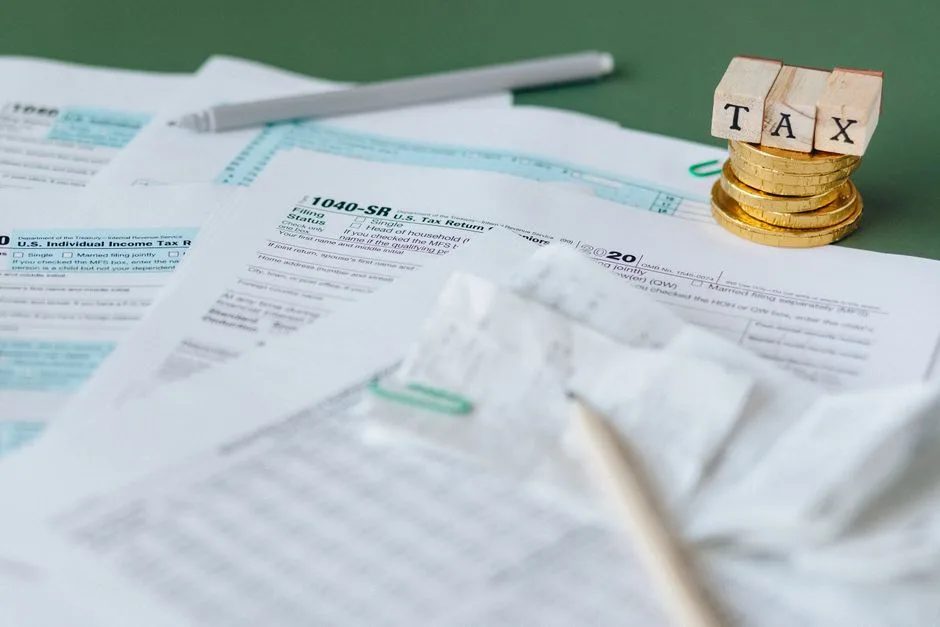
Advertising rules overview
Classified ads operate under rules that govern truthfulness, fairness, and privacy. Readers should understand what obligations advertisers have and what protections they can expect. A clear picture helps prevent scams and misrepresentations from slipping through the cracks.
- Identify the applicable agency for the listing region.
- Highlight any mandatory disclosures in the ad.
- Warn readers about common regulatory gaps and how to spot them.
Regulators may require disclosures on terms, conditions, and contact methods; readers should look for these cues when evaluating listings. When in doubt, consult official guidance or consumer protection resources.
Editors should summarize relevant regulations without legal advice, pointing readers toward authoritative sources for detailed interpretation. This keeps reporting accurate and practical for daily use.
- Look for required disclosures
- Check contact methods for scams
- Refer to consumer protection resources
- Note regional variations in rules
Cost-benefit analysis
Assessing value for readers
Readers should weigh what an ad offers against any upfront costs or hidden fees. A clear checklist helps determine whether a listing represents genuine value or a risky bet. This approach keeps decisions grounded in practical outcomes rather than hype.
Compare similar ads to see what is truly included, such as delivery, warranty, or service terms. If something seems missing, ask for specifics before proceeding. Clear margins of uncertainty safeguard readers from overspending on uncertain promises.
Documenting the trade-offs in a simple table can help readers visualize what they gain and what they lose. Focus on tangible factors like time saved, reliability, and after-sales support.
- Compare similar offers side by side
- Identify all fees upfront
- Ask for precise terms
- Assess post-deal support
What readers should do next

Practical next steps for readers
Start with a quick fact-check of the listing's basics: location, date, and stated terms. This creates a foundation for more detailed inquiries. A calm, structured approach reduces the chance of rushing into a poor deal.
- Verify the listing's basics first.
- Prepare essential questions before contacting.
- Document every step of the process.
Draft a short set of questions before contacting the ad owner; prioritize verification, delivery terms, and payment method. Having this ready saves time and signals seriousness. Collect documentation such as screenshots or receipts as you go.
Keep personal information private until trust is established and legitimacy is confirmed. Use secure channels for payments and confirmations, and document every interaction for later reference.
- Verify basic listing details
- Prepare a question set
- Document interactions
- Protect personal information
Frequently asked questions
What counts as a credible source in classifieds?Credible sources provide verifiable details, such as clear item descriptions, a trackable seller identity, and contact information. Cross-check the details with independent channels and avoid listings that shy away from specific answers. A cautious reader validates before engaging further.
Should I pay upfront to hold an item?Only if there is a verifiable safeguard, such as a formal contract or a demonstrable in-person inspection. Otherwise, delay payment and use a traceable method once verification is complete. Protect yourself by keeping all communications on record.
How can I stay safe when meeting in person?Meet in public places during daylight, bring a friend if possible, and avoid sharing personal information. Bring documentation or proof of item ownership and ask the seller to show the item before any exchange of money.
What if a listing seems too good to be true?Treat it with skepticism and proceed with extra verification. Compare with similar listings, demand specifics, and request proof of the item condition. If anything remains unclear, walk away.
Conclusion
Readers gain a practical framework for evaluating USA classified ads that balances vigilance with efficiency. The emphasis is on concrete steps, not slogans, enabling safer, smarter decisions in real time. The next move is to apply the checklist to a current listing to test its usefulness.
A disciplined, documented process builds confidence and reduces risk over time. By treating ads as information to verify rather than final authority, readers maintain control and avoid rush decisions.
If you enjoyed this article, we recommend checking out Choosing a local business directory in for further reading.
Readers interested in this subject may also want to explore Cómo encontrar local job listings in for additional perspectives.
For a deeper understanding of this topic, Basingstokepost.co.uk: A practical guide for second-hand offers valuable insights worth exploring.
Add Cairo City News as a preferred source on Google


