
USA news vs India news: how they differ for readers
A clear explainer on how U.S. news coverage compares with Indian reporting, what readers should expect, and how to compare outlets without bias.

When readers seek reliable information, understanding how USA news and India-focused reporting differ helps set expectations. This explainer shows what each side tends to emphasize, how sources are chosen, and how to verify claims across outlets. The goal is to help readers interpret coverage with a critical eye and choose trustworthy sources.
Start by identifying the outlet’s mandate: is it national, regional, or business focused? Look at how stories are framed, whether multiple viewpoints are represented, and how updates are presented as events unfold. This approach builds a practical habit for consuming news from both countries.
Finally, apply a simple test: compare a few parallel stories side by side, note differences in sourcing, tone, and chronology, and check for clear corrections when errors appear. Real readers benefit from this disciplined approach to cross-checking and context.
- US and India news share a goal of informing the public, but they differ in focus and sourcing. Readers should check multiple outlets, watch for official statements, and note how stories are framed. Cross-checking helps reveal bias and gaps.
- Look for how timelines are built and how corrections are issued. Seek outlets that provide context, transparent sourcing, and diverse perspectives.
- When comparing, prioritize credibility over familiarity. Favor reports with documented sources and a clear path from data to conclusion.
- Always test claims against public records or international reporting to build a balanced understanding.
Basics of US reporting
Core news values
US outlets often prioritize issues with broad national impact, official statements, and timelines that track developments as they unfold. Look for press releases, government briefings, and independent verification. The strongest stories cite multiple sources and show how facts evolved over time. USA news
- ☐ Check the source of the report
- ☐ Note who is quoted and who is not
- ☐ Confirm with a second outlet
- ☐ Ask what the story changed about earlier versions
- Rely on primary documents when possible
- Compare competing claims from officials
- Note chronology of updates
- Watch for attribution strength
- Identify any visible bias cues
Where to find credibility
Credible US reporting balances investigative orientation with public-interest framing. It often links to public records, court filings, and official data. Readers should track how a story evolves, especially during breaking news when details are provisional.
Basics of India reporting
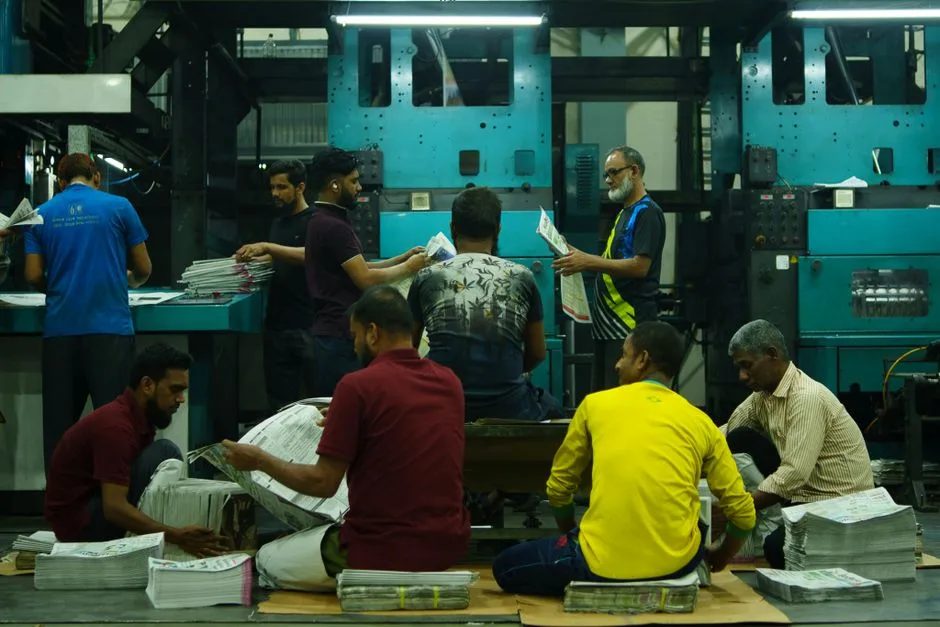
Regional focus
Indian reporting covers national matters and local events with strong regional flavors. Expect language that mirrors local governance, business climates, and social issues. Editors often weigh diverse voices to reflect a plural society. A useful resource on this topic: add an event to the USA events calendar.
- Note regional perspectives
- Check state-level sources
- Look for context on policy impacts
- Watch for language that signals bias
Sourcing and verification
Indian outlets frequently reference government briefings, judiciary filings, and NGO reports. Verification practices vary, so readers benefit from cross-checking with multiple outlets and international coverage when possible. Timelines in Indian reporting can reflect rapid developments or slower, in-depth investigations.
How the two landscapes touch readers
What to expect from tone
US stories often emphasize accountability, the balance of power, and procedural clarity. Indian reporting may foreground social impact, governance challenges, and regional narratives. Both aim to inform, but the emphasis shifts by audience and context. A useful resource on this topic: register your company in the USA.
- Recognize the tone and how it guides your takeaway.
- Identify whether the article asks questions or presents conclusions.
- Observe how sources support claims beyond official statements.
- Consider what the piece leaves unsaid about broader context
- Notice who is quoted
- Assess how impact is described
- Look for policy implications
- Be wary of sensational framing
| Aspect | US reporting | India reporting |
|---|---|---|
| Sourcing | Official briefings common | Government statements and local sources common |
| Verification | Multiple outlets often cross-checked | Verification varies by outlet and region |
| Framing | Procedural accountability emphasized | Social impact and governance focus |
How outlets present data
Charts, timelines, and data releases appear in both regions but with different traditions. US data may come with a heavy emphasis on methodology and public records. Indian stories might pair data with on-the-ground interviews to illustrate lived realities.
The same reporting discipline applies in many outlets, though processes vary by organization and beat.
Verification practices across markets
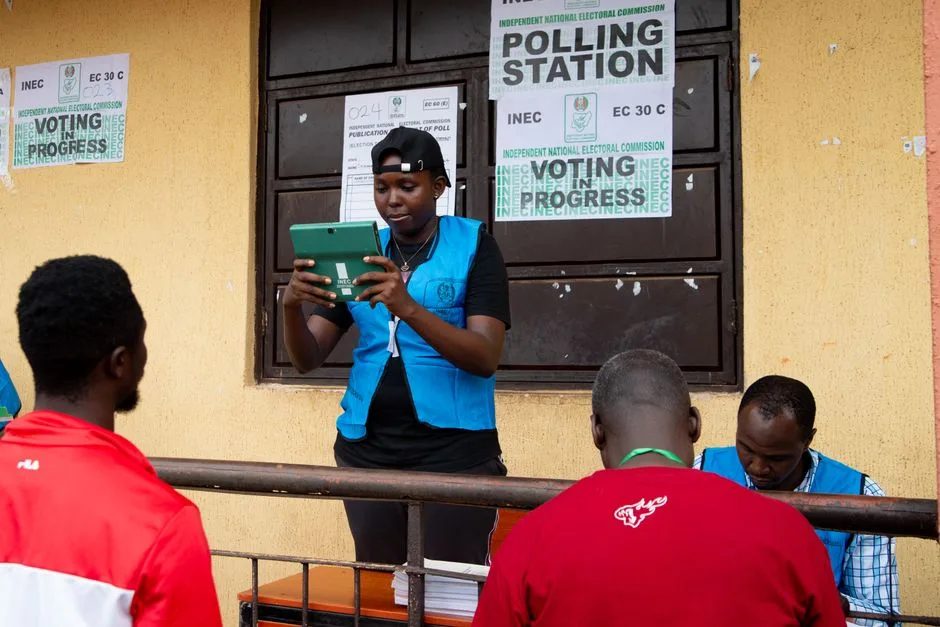
How facts are checked in the US
Newsrooms in the United States rely on multiple layers of verification before publication, including sourcing, corroboration, and editorial review. Reporters confirm details with direct records, official spokespeople, or on-the-record statements when possible. Editors then weigh the credibility of sources and the potential impact on readers. A useful resource on this topic: used items for sale in the USA.
The same reporting discipline applies in many outlets, though processes vary by organization and beat. Some outlets publish corrections promptly when new information emerges. In fast-moving stories, editors distinguish between confirmed facts and developing information.
Readers benefit when outlets publish clear provenance for key facts, along with ethical notes about anonymous sources and the limits of one’s knowledge at the time of publication. This helps explain how a story was built and what might still be unsettled.
- Direct sources checked for every major claim
- Editorial review flags potential bias
- Corrections policy clearly stated
- Anonymous sources explained and limited
Navigating political framing
How politics shape coverage in India
Indian political reporting often reflects the country’s diverse and crowded political landscape, including regional parties and coalition dynamics. Journalists seek multiple perspectives, especially on policy changes or elections. The tone may vary with regional context and audience expectations. death notices in the USA
In practice, coverage can emphasize party lines, governance outcomes, or public sentiment, depending on the outlet and regional focus. Reporters try to present both policy details and the human impact of decisions. Fact-checking statements from political actors remains essential.
Readers should expect context on who is affected and how policy translates into daily life, not only who won or lost. Outlets may also highlight watchdog findings or court decisions related to governance.
- Seek multiple regional angles
- Note policy implications for ordinary people
- Watch for official statements vs. independent analysis
- Check for contemporaneous reporting across outlets
Finding reliable international coverage

What counts as reliable abroad
Reliability in international reporting hinges on corroboration, transparent sourcing, and avoidance of sensationalism. Look for outlets with clear corrections policies and journalist safety practices.
Cross-border reporting benefits from media partnerships and on-the-ground correspondents who can verify conditions directly. When a report relies on one regional perspective, readers should seek additional viewpoints for balance.
Understand whether coverage focuses on events, consequences, or underlying causes, and track whether numbers and claims are attributed to credible institutions or official documents.
- Check sourcing transparency
- Prefer outlets with on-the-ground reporting
- Look for multiple corroborating accounts
- Be cautious of unverified numbers
Tools to compare outlets
Practical ways to compare outlets
Use media-literacy steps to compare outlets side by side: look for author credibility, sourcing, and tone. Create a quick checklist when starting a new topic to avoid relying on a single source.
- Use multiple sources for major claims.
- Check attribution before accepting numbers.
- Note differences in tone and emphasis.
Track how outlets frame the same event across articles to spot framing differences and biases. Note how numbers are sourced and whether official data is cited.
Develop a habit of reading both a local and international outlet on the same topic to gauge regional nuance and global context. This helps readers form a more balanced view.
- Create a short comparison rubric
- Record sources and attribution
- Watch for framing differences
- Balance local vs. international perspectives
Frequently asked questions
Why do US and India news differ in framing?Framing reflects local markets, audience expectations, and editorial norms. US outlets often prioritize procedural detail and accountability, while Indian outlets may foreground governance, regional perspectives, and immediate public impact. Readers benefit from cross-checking to see the range of viewpoints.
How can I tell if a report is balanced?Look for multiple credible sources cited, transparent attribution, and a clear note about uncertainty where present. See if the outlet presents opposing viewpoints and whether corrections are issued when errors are found.
What should I do if sources disagree?Compare the competing accounts, check official records or documents, and seek independent reporting on the topic. If disagreement persists, follow updates from reputable outlets that provide ongoing coverage.
Are international outlets always better for global topics?Not necessarily. Local outlets may offer deeper context, while international outlets can provide broader perspectives. The best approach is to read several outlets and consider regional and international angles together.
Final takeaways
Readers should broaden their news diet to include both domestic and international outlets for balanced coverage of global topics.
Regularly verify claims by checking multiple sources and noting how information evolves as events unfold.
For more insights on this topic, you might find Pratik rehber: ABD’de ölüm ilanı nasıl particularly informative.
Readers interested in this subject may also want to explore Latest car industry news ve sağlık: for additional perspectives.
Readers interested in this subject may also want to explore How to pick a local business for additional perspectives.
Add Cairo City News as a preferred source on Google


